Fred Reichman
Koan
February 20 - April 4, 2026
House of Seiko | Los Angeles
4850 Santa Monica Boulevard
Los Angeles, CA 90029
Opening reception:
Friday, February 20
6:00 - 9:00 pm
Inquiries: cole@houseofseiko.info
Fred Reichman (b. Bellingham, WA, 1925 - d. Yuba City, CA, 2005)
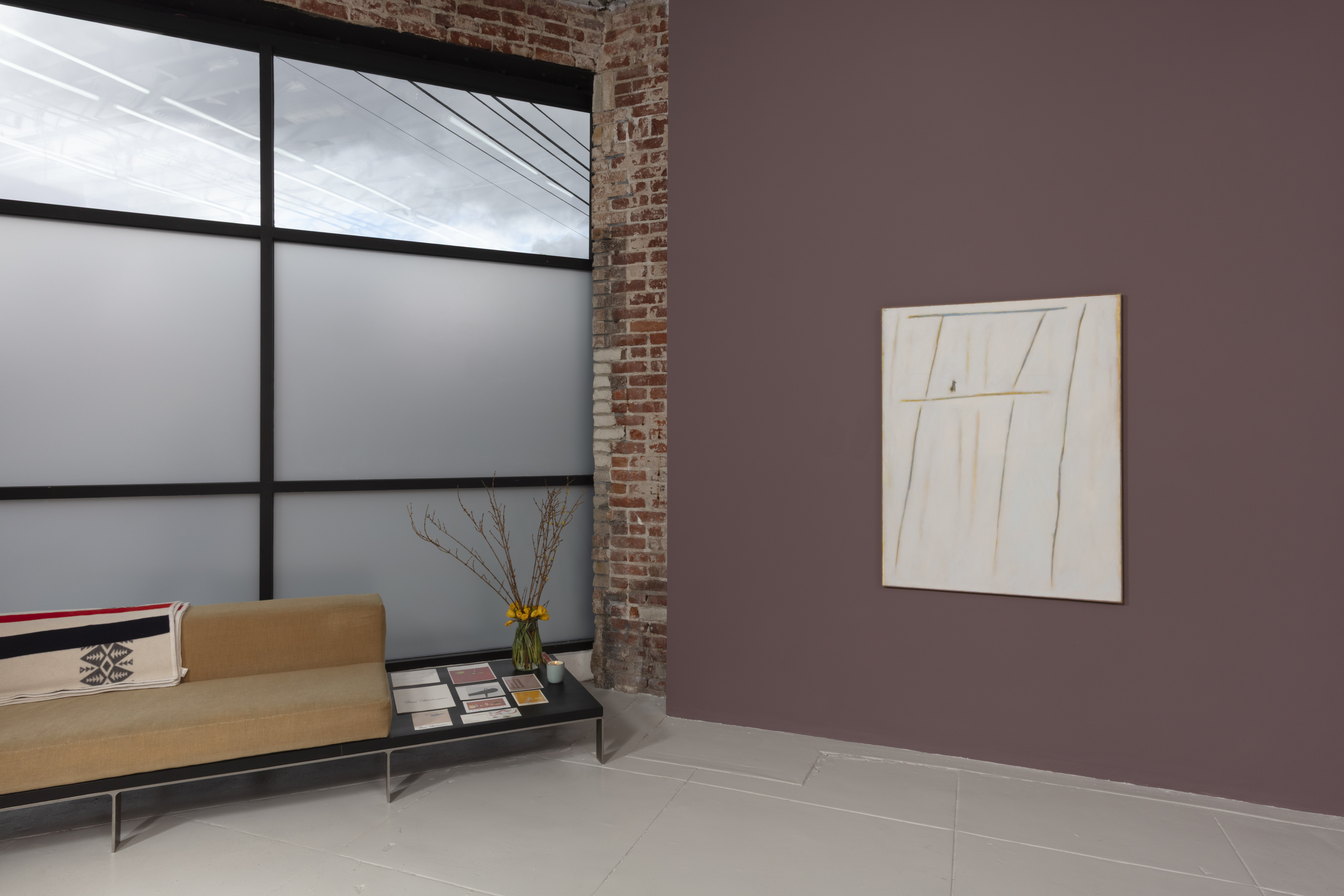
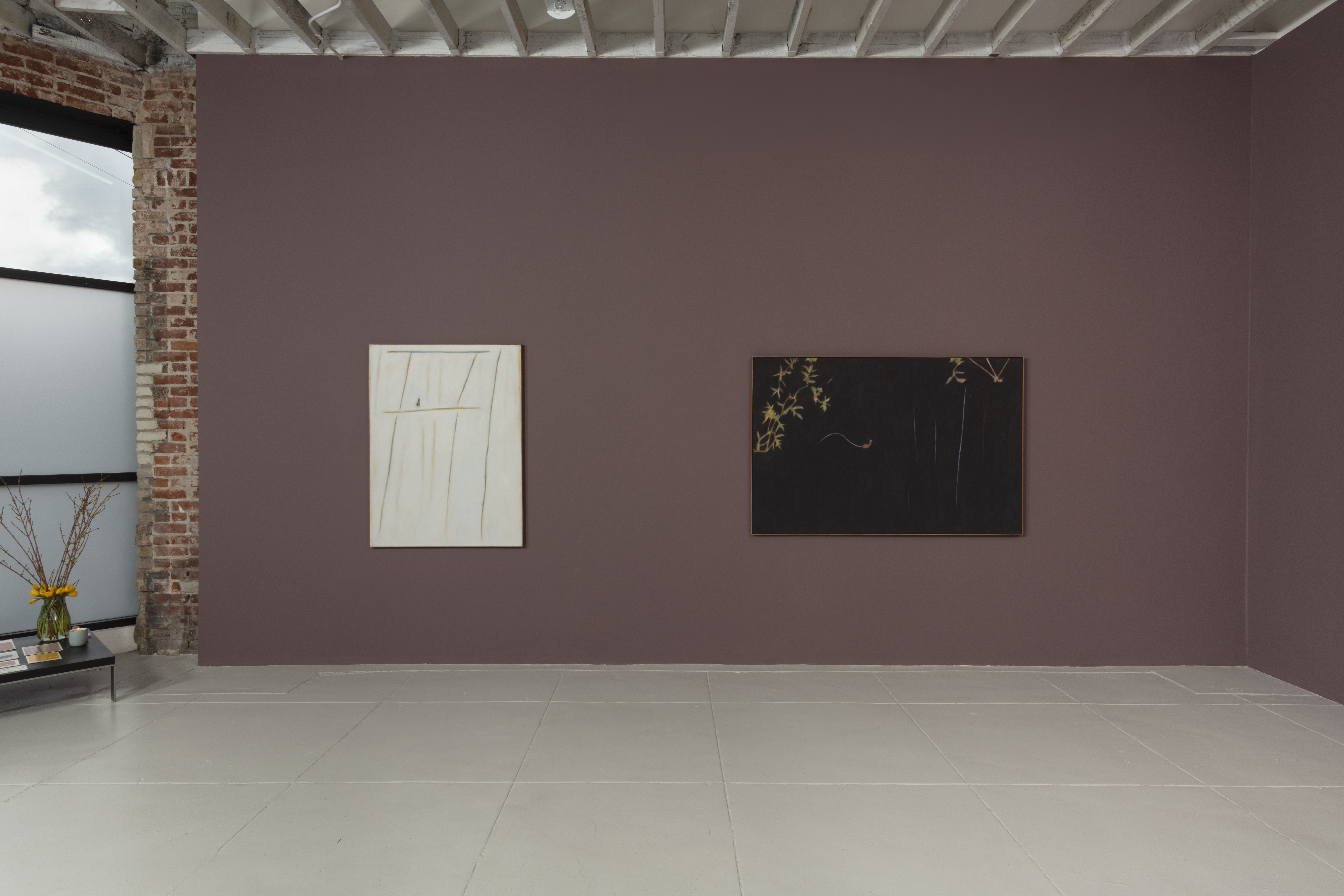
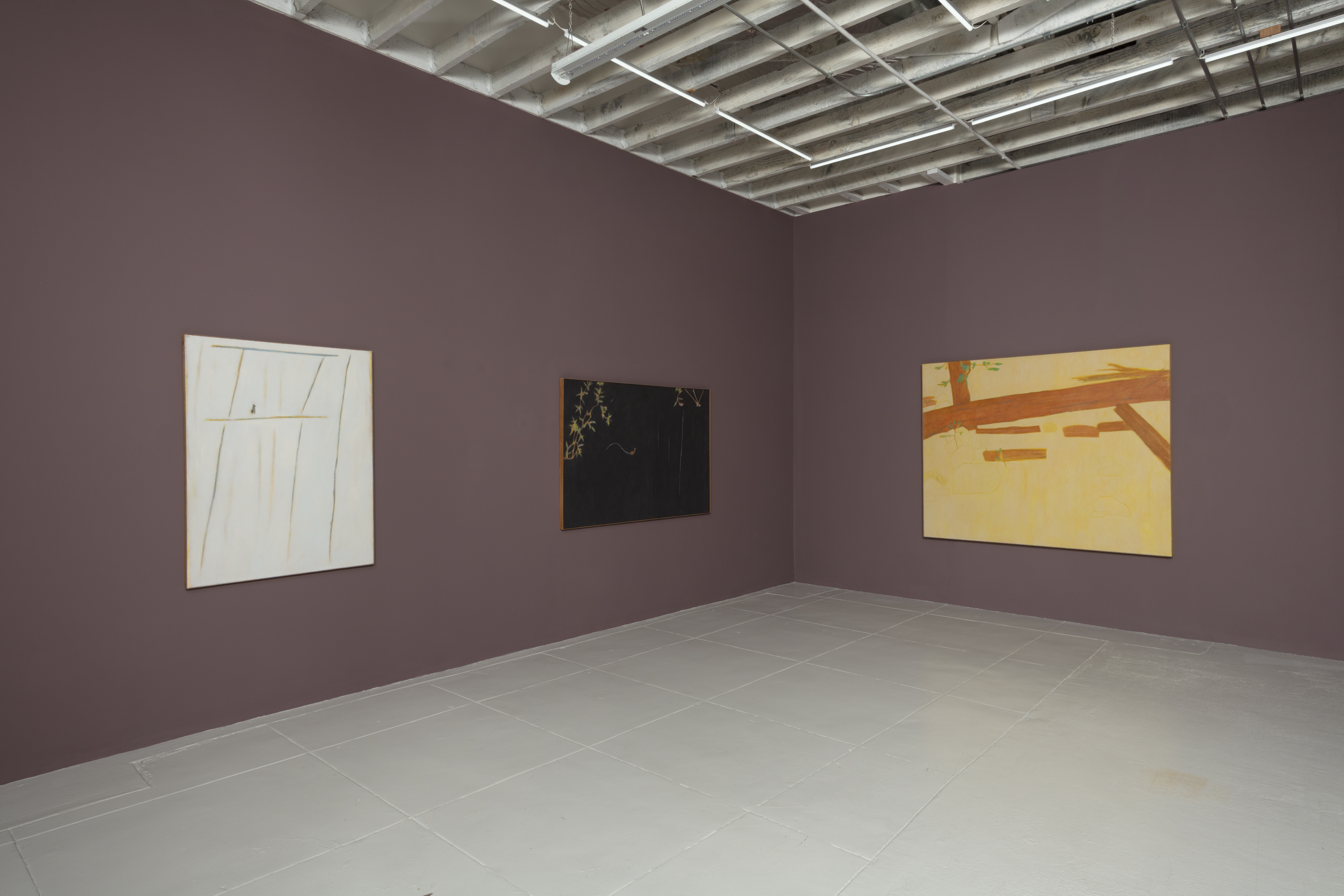

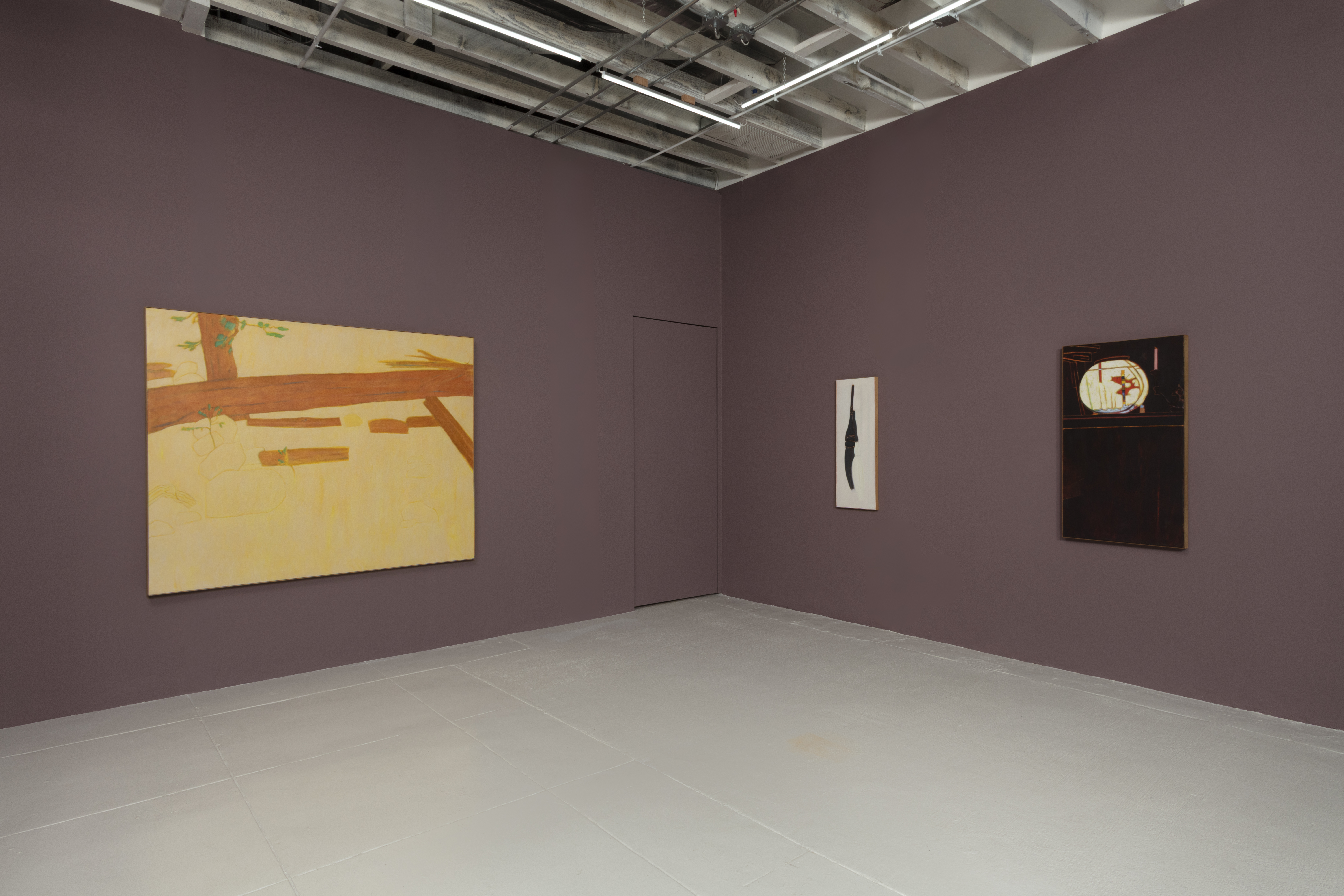
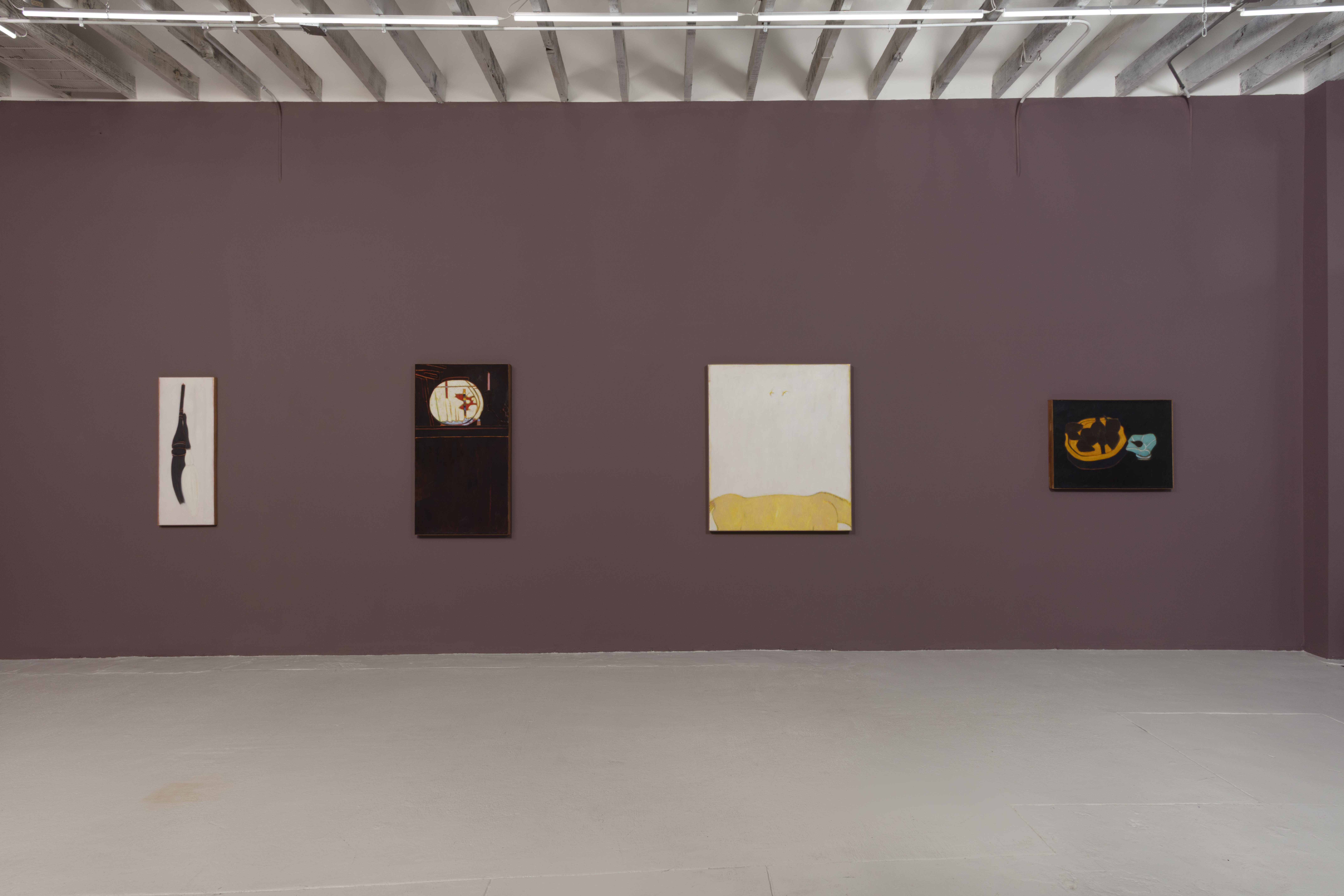

House of Seiko is pleased to present Koan, a twenty-year survey of artwork by the historical Northern California painter Fred Reichman. Influenced by Fred’s devotion to Buddhism through his time spent with Shunryu Suzuki Roshi, the namesake of the exhibition, Koan refers to a paradox meditated upon to abandon ultimate dependence on reason and gain sudden intuitive enlightenment; an ethos held closely by Fred and many of his colleagues in the San Francisco Bay Area during the post-war renaissance period.
Reichman worked fluidly between painting and sculpture, guided by a personal engagement with Zen practice that shaped both his methods and his attention to the world. A lifelong reader of haiku, he often understood his paintings as compressed moments in which observation is refined into essential form. Rather than pursuing a grand narrative, his work repeatedly returns to modest subjects: everyday objects, family members, his cat Issa, and brief, unplanned encounters with wildlife.
At times, the subject is defined by what has just passed through the frame: a broken picket on a fence disturbed by a startled deer, or a single bird perched on new grass marking the arrival of spring. In other works, Reichman’s presence appears indirectly through depictions of his studio table, where brushes, jars, and an easel are arranged with the same attentiveness given to landscape. These quiet interiors function as sites of memory and perception, folding the external world back into a meditative space shaped by patience, restraint, and care.
Reichman worked in the unusual medium of alkyd, an alcohol-based resin that dries quickly, which allowed him to build paintings through the slow stippling of paint, layer upon layer, at times a dozen or more. In all of his work, a reveal of the painting’s foundation is essential, exposing the many layers as both a record of the process and a meditation on time itself. This accumulation of color ultimately resolves into quiet, calm representations of daily life, offering the viewer a profound sense of well-being.
Reichman’s style reflects a synthesis of Western European, West Coast, and Eastern influences, drawing on Cézanne, Matisse, Pascin, Piazzoni, Sengai, Chu-ta, and the clarity of haiku poetry, particularly Issa. He described himself as a California painter, writing: “There is a unique energy that exists on the Pacific Coast. It is different from our Eastern Seaboard, different from the art of Europe and Asia—yet it comes out of all these sources to create inspiration and fresh insights. The light and the land, the atmosphere that exists here, has its own particular ambience. I feel a part of this energy.”
Fred Reichman was born in 1925 in Bellingham, Washington, and moved with his family to San Francisco in 1934, where he built both his personal and artistic life. He passed away in Yuba City, California, in 2005. After earning his B.A. and M.A. in art at the University of California, Berkeley, he was awarded a UC Berkeley Taussig Fellowship, which allowed him to spend two years in Europe. Returning to the Bay Area, Reichman taught painting and drawing at UC Berkeley, UC Davis, the San Francisco Art Institute, and the UC Extension in San Francisco, becoming a respected mentor to generations of artists.
His work is represented in numerous public collections, including the National Museum of American Art in Washington, D.C., the San Francisco Museum of Modern Art, the Legion of Honor in San Francisco, the Oakland Museum of California, and the Berkeley Art Museum. His paintings have been shown widely in solo exhibitions across San Francisco, Los Angeles, New York, Taos and Santa Fe, Tokyo, Osaka, and Wiesbaden, Germany.